
Self-paced, first module free
Revise Your Novel: Read, Plan and Revise
A self-paced course for writers with a finished draft. Short lessons on revision, one pass at a time, and as you go you revise your own book: you read it as a reader, test its structure, sort every note and write an edit plan, then work through the book in passes from the largest problems to the smallest, ending with a polish and continuity check.
- 9 modules
- 38 short lessons
- Two to six months alongside the revision
Every lesson opens without an account. Log in if you have an account.
Every lesson is free to read. The first module’s step is free; the later steps are on the Writer plan.
The modules
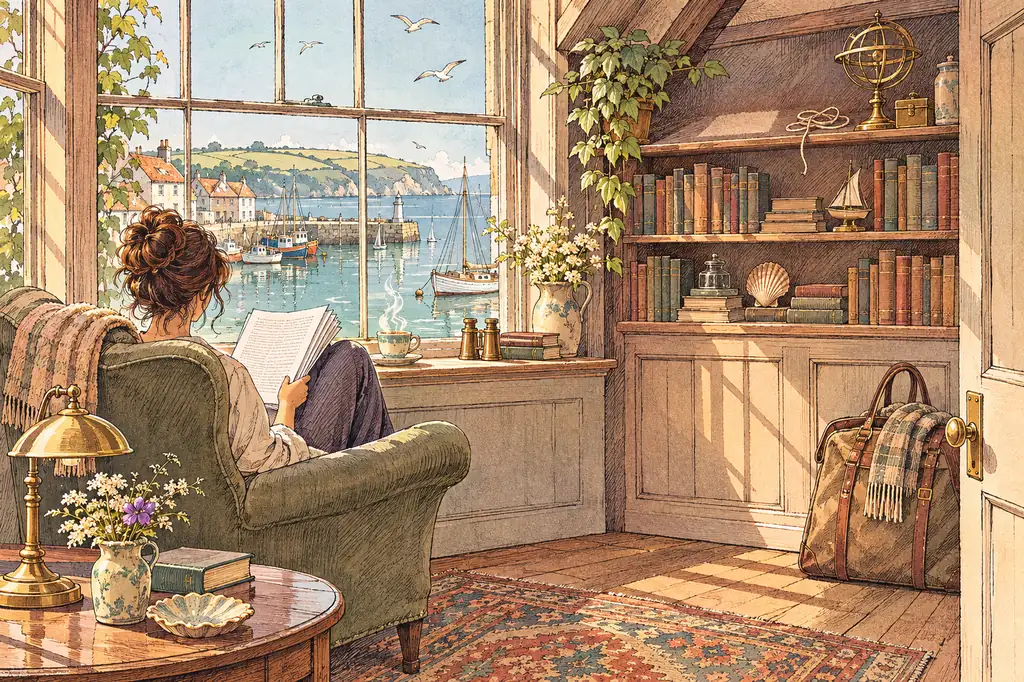
Rest, then read it as a reader
Put the draft away, then come back to it as a reader: notes on what happened to you as you read, a one-line map of what the draft really holds, and a way to use other people’s notes. You write your reading notes and a reverse outline.
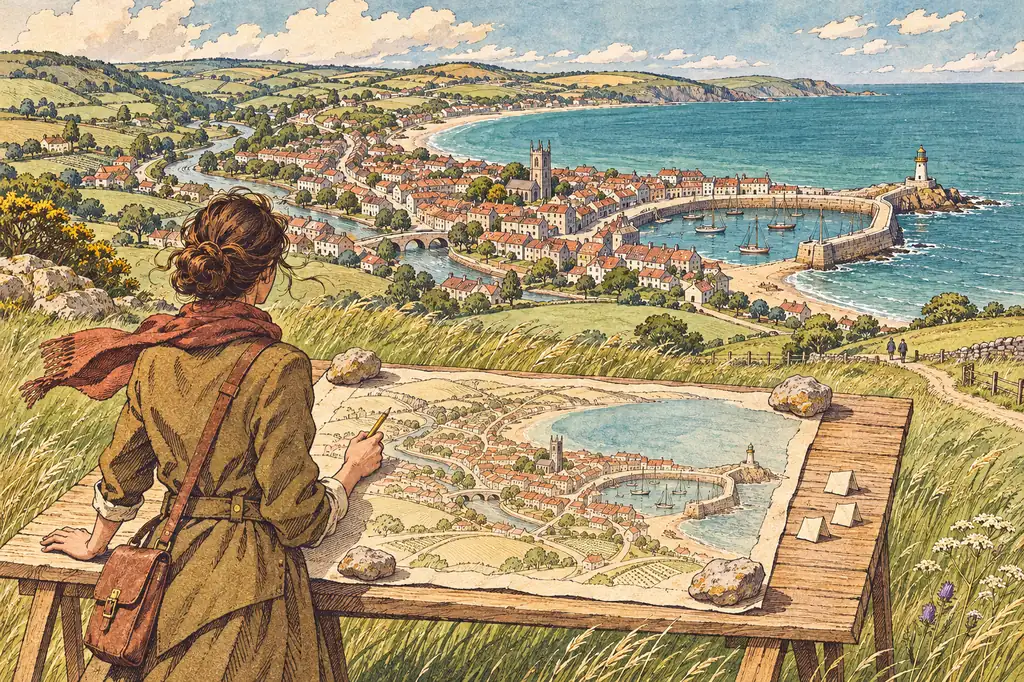
The big picture
Test the whole book before any page: whose story it is, whether the ending answers the opening, who causes the big turns. Then sort every note by what it changes, and plan the passes. You write your structural note and your edit plan.
Plan: Step 2: Your structural note and edit plan · Writer plan
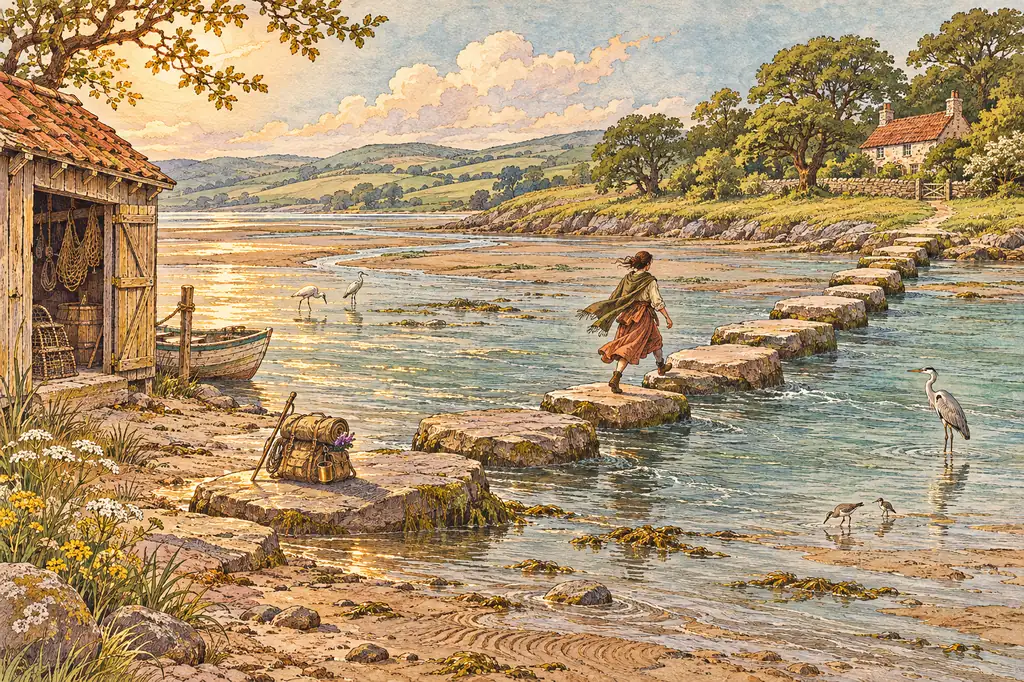
Character arcs
Whether your lead wants something they chase, changes in steps the reader can follow, and causes what happens. You map the arcs of your lead and one other character, and plan the scenes that need to change.
Plan: Step 3: Your arc map · Writer plan
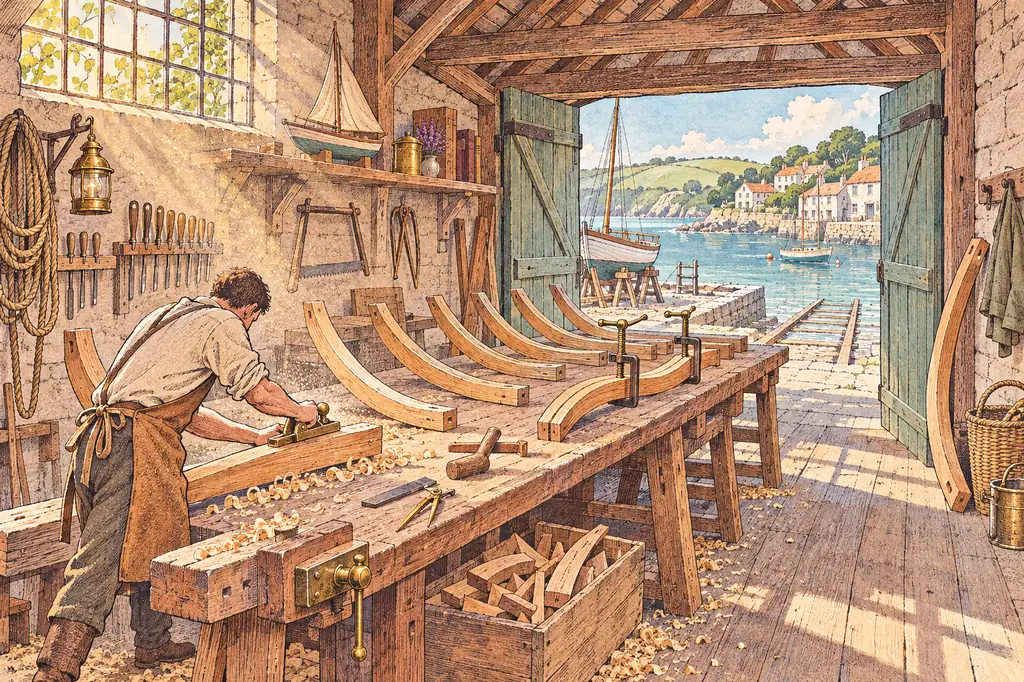
Scene by scene
Make the big changes in the book, then take every scene in turn: what changes in it, what pushes back, and whether it stays, is rewritten, merged or cut, loved scenes included. You revise your draft scene by scene in your book.
Write in your book: Step 4: The big changes and the scene pass · Writer plan
Pacing
Where the book drags and where it rushes: a middle that drifts, moments played too fast or too slow, scenes that start early and end late, and chapter endings that let the reader go. You make a pacing pass through your book.
Write in your book: Step 5: The pacing pass · Writer plan
Point of view and voice
Whose eyes each scene is seen through, how close the narration stands, and a voice that sounds the same on page one as on page three hundred. You write a voice note and revise your opening page against it.
Plan: Step 6: Your voice note and a test page · Writer plan
Dialogue
Talk cut to what matters, speakers you can tell apart without tags, what goes unsaid, and tags that stay out of the way. You revise the dialogue in your book, starting with the scenes that turn on it.
Write in your book: Step 7: The dialogue pass · Writer plan
The line edit
Sentence by sentence: clear on first reading, shorter where it helps, varied in rhythm, and nothing standing between the reader and the experience. You line-edit your book a chapter at a time.
Write in your book: Step 8: The line edit · Writer plan
The polish and continuity pass
The last pass: one version of every fact, the words you lean on thinned, stock phrases and echoes caught, and sentences that cannot be misread. You polish your book, then update your edit plan with what comes next.
Write in your book: Step 9: The polish and continuity pass · Writer plan


Questions
- Is it free?
- Every lesson is free to read, with or without an account. The first module, including its writing step, is free too. The writing steps in the later modules are on the Writer plan or above.
- How long does it take?
- Two to six months alongside the revision, at your own pace. There are 9 modules and 38 short lessons, and each module ends with one step of your own writing. There are no deadlines.
- Where do I write it?
- In one of your own books in the BlurbBio editor, or in a new project for the course that does not use one of your book slots. You choose when you start, and you can change it. Planning steps are kept in the Practice Room, so your notes never end up in the manuscript.
- What do I finish with?
- A revised draft of your novel and a written edit plan: the structural changes you made, the passes in order, and what comes next.
- Is there a certificate?
- Yes: a certificate of completion. When you finish, you get a private portfolio of what you wrote and the skills you reached, and you can share it with a link and a PDF certificate. It records that you finished the course; it is not an accredited qualification. The main thing you finish with is still the draft.