
Self-paced, first module free
Writing a Series: Plan, Track and Continue
A self-paced course for writers turning one book into several. Short lessons on the craft of a series, one module at a time, and as you go you build what a series runs on: a premise that renews, a question that moves in every book, characters who change without resetting, a world with firm limits, a series bible written from the page, a ledger of plants and payoffs, a continuity system, and the plan and opening of your next book.
- 10 modules
- 38 short lessons
- Ten to twelve weeks at a module a week
Every lesson opens without an account. Log in if you have an account.
Every lesson is free to read. The first module’s step is free; the later steps are on the Author plan.
The modules
Is this a series?
The three kinds of series, a source of new stories that survives each ending, and a promise readers come back for. You write your series premise and test it for three more books.
The long question
A question each book answers, a longer one that moves in every book, and threads that open and close in order. You map both questions across your series.
Plan: Step 2: Your series arc map · Author plan
A lead who changes slowly
Change at two speeds, within each book and a step per book, and how to test what your lead learned without undoing it. You plan your lead’s arc across the series.
Plan: Step 3: Your lead across the series · Author plan
A cast for the long run
Supporting characters with jobs, opponents with a case of their own, and viewpoints that earn their place across several books. You plan your returning cast.
Plan: Step 4: Your returning cast · Author plan
A world that holds
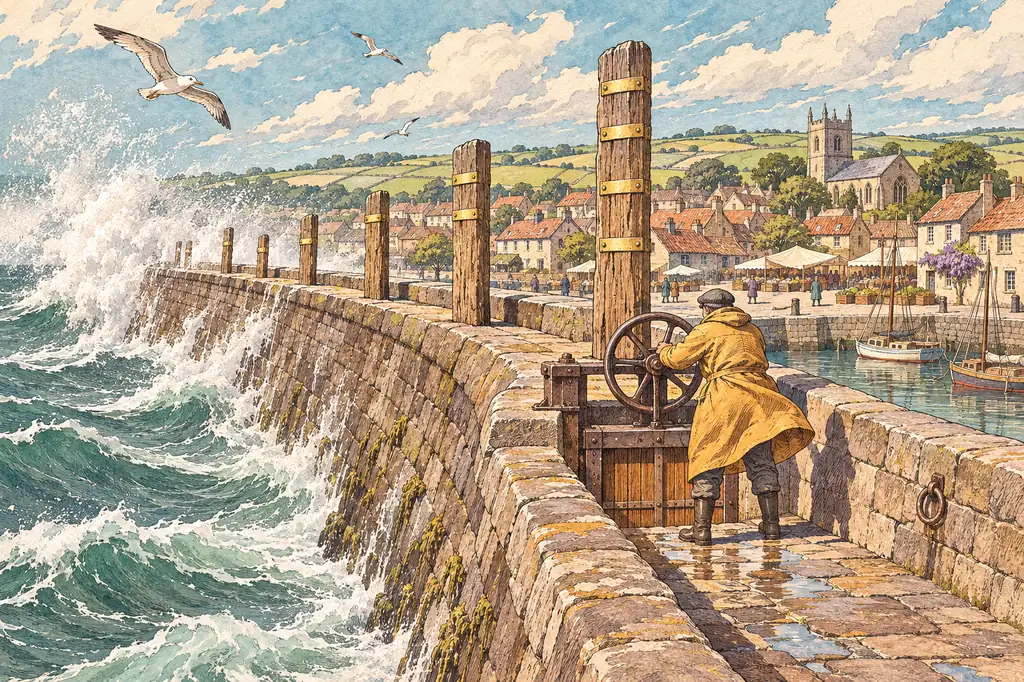
Rules with limits and costs, a world larger than the page, a society with its own logic and a period kept true, whether your world is invented or real. You write the limits your later books must keep.
- Rules for magic and technology
- The iceberg: knowing more than you show
- Culture, economy and history
- Research and period accuracy
Plan: Step 5: The limits of your world · Author plan
The series bible
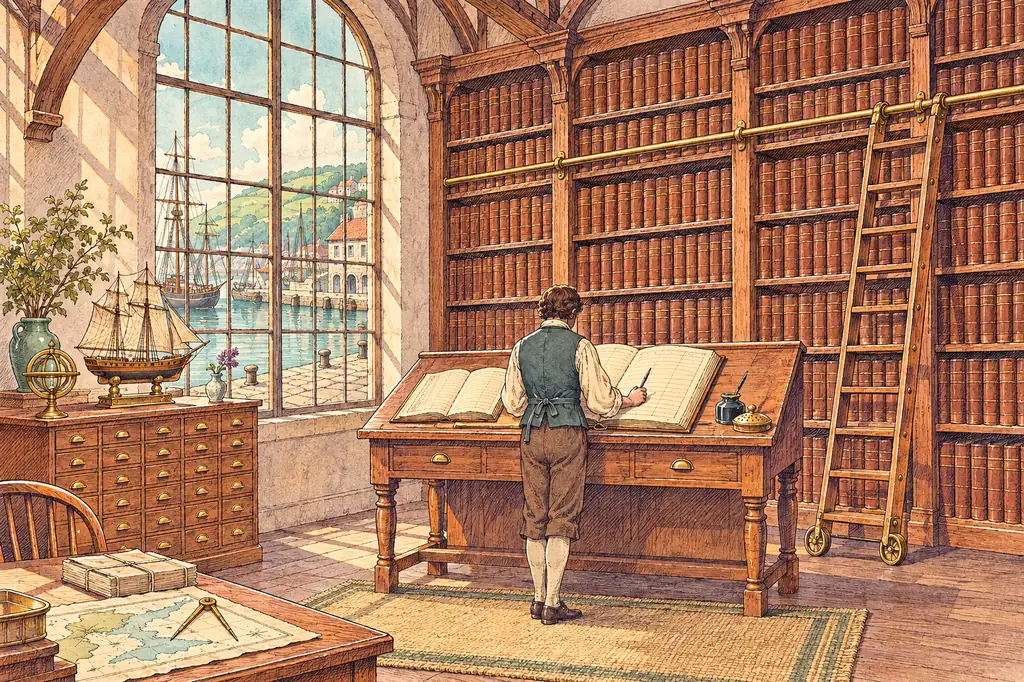
A record of every fact a later book could contradict, written from the page with book and chapter, and kept alive as you write. You build your series bible.
Plan: Step 6: Your series bible · Author plan
Plants and payoffs across books
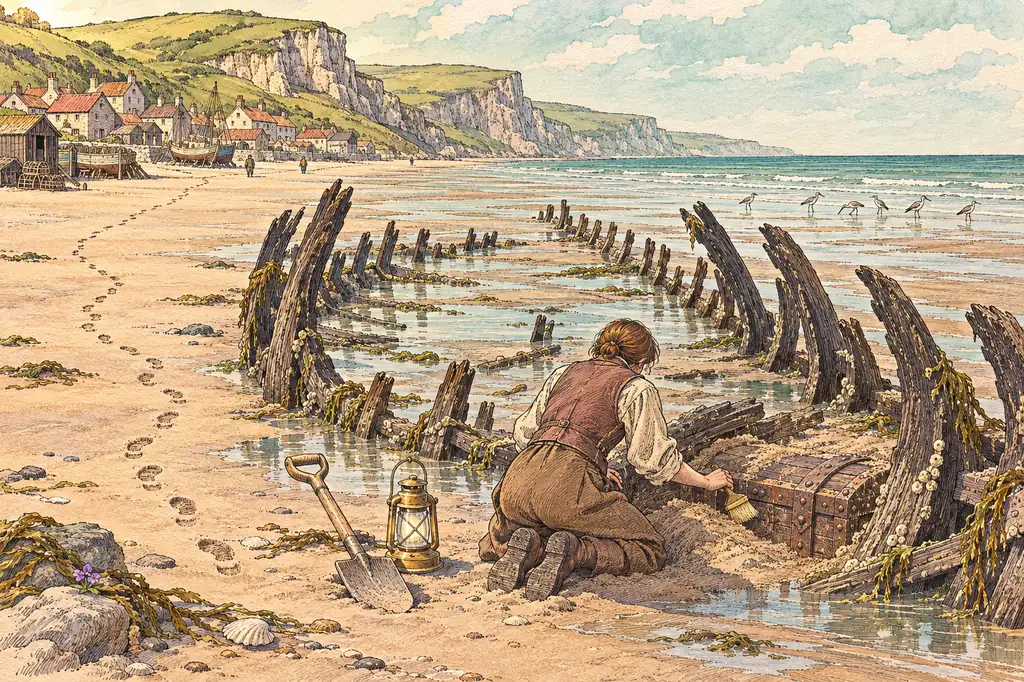
Promises kept, plants that pay off books later, motifs that change as the series goes, and what the reader knows that the characters do not. You start a payoff ledger.
Plan: Step 7: Your payoff ledger · Author plan
Canon and continuity
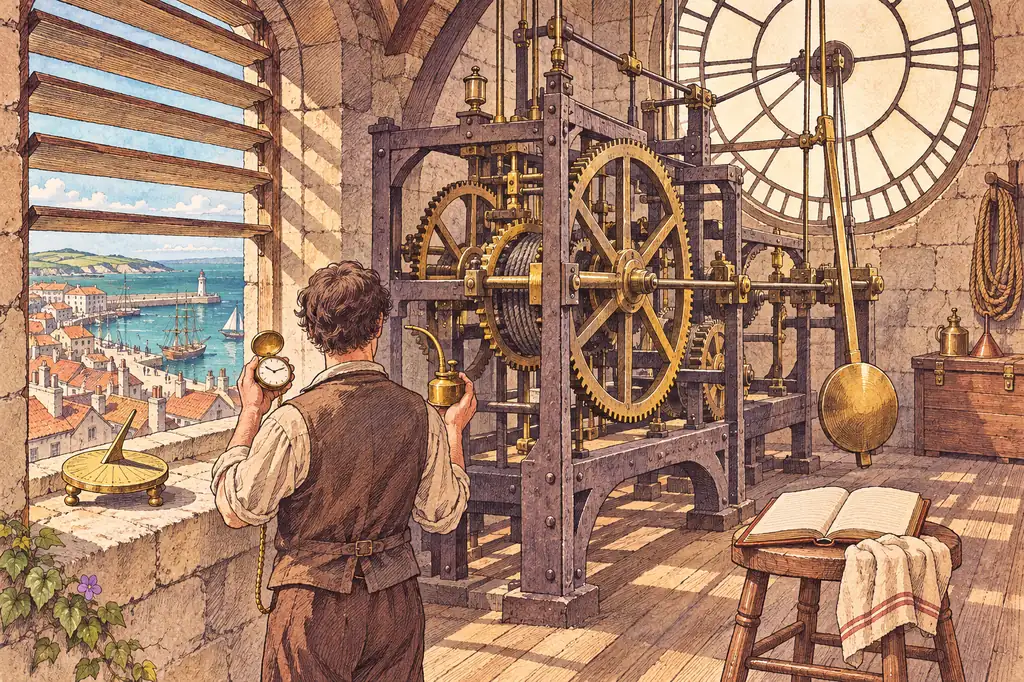
What each published book fixes, canon rules specific enough to check, and three checks at set moments. You set up your continuity system.
Plan: Step 8: Your continuity system · Author plan
Planning the next book
Stakes that rise in kind and not only in size, attempts that fail in new ways, and an ending that closes its own story and turns the long one. You write the plan for your next book.
Plan: Step 9: The plan for your next book · Author plan
Opening the next book
A first page for the reader coming back and the reader who is new, with the past brought in only when a scene uses it. You draft the opening of your next book.
Plan: Step 10: The opening of your next book · Author plan


Questions
- Is it free?
- Every lesson is free to read, with or without an account. The first module, including its writing step, is free too. The writing steps in the later modules are on the Author plan or above.
- How long does it take?
- Ten to twelve weeks at a module a week, at your own pace. There are 10 modules and 38 short lessons, and each module ends with one step of your own writing. There are no deadlines.
- Where do I write it?
- Here in the Practice Room: each step has its own page, and what you write is kept with your account.
- What do I finish with?
- A series bible, the arcs across your series, the plan for your next book with its opening scene drafted, and a continuity system to keep every book consistent.
- Is there a certificate?
- Yes: a certificate of completion. When you finish, you get a private portfolio of what you wrote and the skills you reached, and you can share it with a link and a PDF certificate. It records that you finished the course; it is not an accredited qualification. The main thing you finish with is still the draft.