Take any novel you love and strip it to its main plot alone: the detective and the case, the couple and their obstacle, the hero and the war. What remains is a synopsis with scenes, oddly thin, weirdly fast, and missing most of what you actually loved, the partner's failing marriage, the rivalry at the guild, the kid sister's secret. Novels are novels, rather than long short stories, largely because of their subplots.
Which makes it strange how little deliberate craft most subplots receive. Main plots get outlined, beat-mapped, and revised; subplots accrete. And accreted subplots produce the signature failures editors see everywhere: threads that vanish for a hundred pages, B-stories that never touch the A, romances bolted on for market reasons, and endings that dribble out through six residual resolutions. All of it is fixable with the same structural attention the main plot gets.
The four jobs
A subplot earns its pages by doing at least one of four jobs, and knowing which job a thread is doing tells you how to run it.
Pressure the arc. The subplot attacks the protagonist's flaw or lie from an angle the main plot cannot reach: the estranged brother whose visits keep poking the exact wound the case-of-the-book conveniently avoids. Arc-pressure subplots are why detective fiction gives its flat-arc leads such turbulent private lives, the character arc machinery needs somewhere to live, and the mystery is busy.
Expand the world. The thread carries the reader into rooms the main plot never enters: the servant's storyline inside the palace intrigue, the union dispute under the corporate thriller. In fantasy, worldbuilding delivered through a subplot's lived stakes lands harder than any lore dump, which is the trick our worldbuilding guide calls rendering rules through consequence.
Control the pacing. Cutting away is a throttle: a slower warm thread as relief in a relentless thriller, a ticking secondary bomb to accelerate a talky middle. Subplot-as-throttle is the structural version of the scene-level techniques in our pacing guide, and it is why braided books can hold speeds single-thread books cannot.
Carry the theme. The subplot runs the book's central question again with different values plugged in: the mentor who chose ambition over family, shadowing a protagonist choosing right now. Thematic echo subplots are how books argue without lecturing, the counter-case gets its own storyline instead of a speech.
A thread doing none of the four is not a subplot; it is a leak, and the cut test at the end of this guide is for it.
Braiding: keeping every thread alive
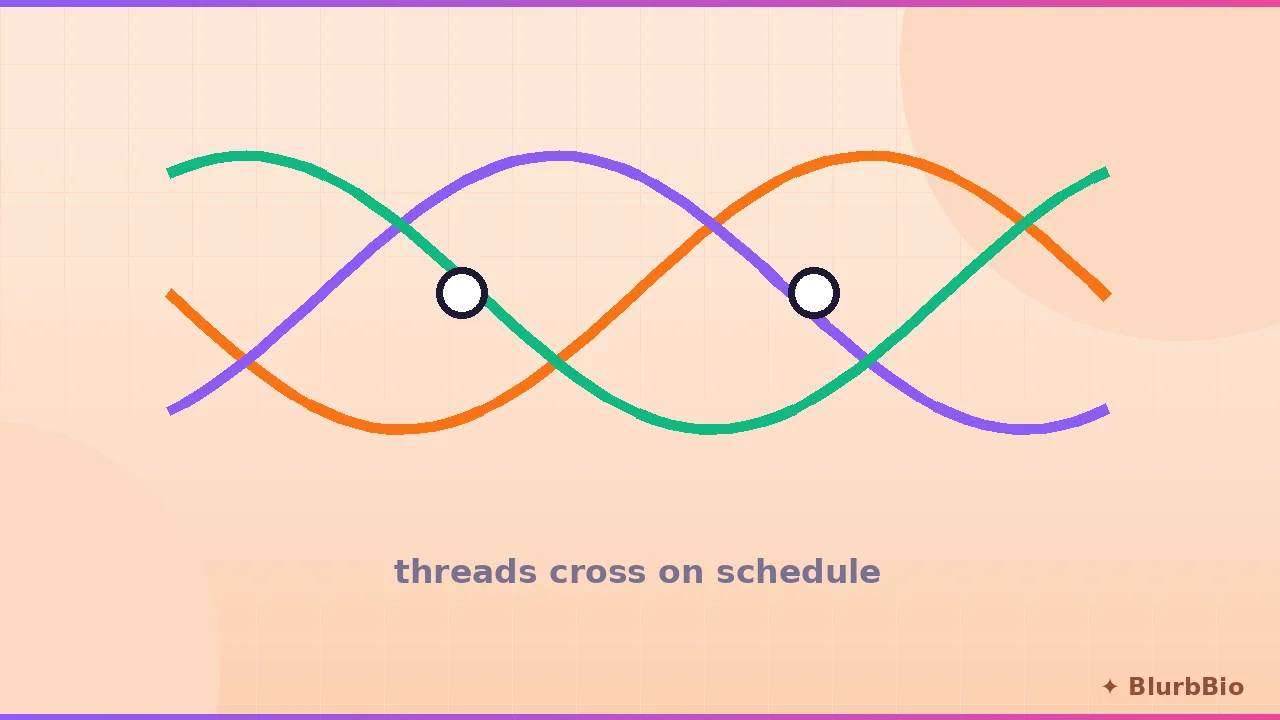
The mechanical core of subplot management is rotation. A dropped thread does not pause in the reader's mind; it decays, and after roughly three untouched chapters a subplot has to be re-established rather than resumed, at a cost the book pays in momentum. The braid is the discipline of touching every live thread on schedule.
Three braiding patterns cover most books. Alternation cycles threads on a loose schedule (A, A, B, A, C, A, B...), with the A-story getting the majority share; this is the default of single-POV novels, where subplot beats often ride inside A-story chapters as scenes rather than owning whole chapters. POV braiding assigns threads to viewpoint characters and rotates viewpoints, the multi-POV architecture covered in our point of view guide, which makes thread maintenance automatic but raises the entry cost per thread. Convergent braiding starts threads far apart and closes the distance all book, the ensemble-heist and epic-fantasy shape, where the braid's tightening is itself the escalation.
Whatever the pattern, the working tool is a thread map: chapters down the side, threads across the top, a mark for every touch. Ten minutes with that grid exposes what no read-through feels reliably, the subplot that silently died at the midpoint, the six-chapter gap in the romance, the two threads that always move together and could merge.
End every subplot touch with that thread's own mini-hook, an unanswered note, an unpaid debt, a decision pending, so the thread stays warm through its off-chapters. Readers will hold a hooked thread far longer than an idled one.
Intersections: making the B pay into the A
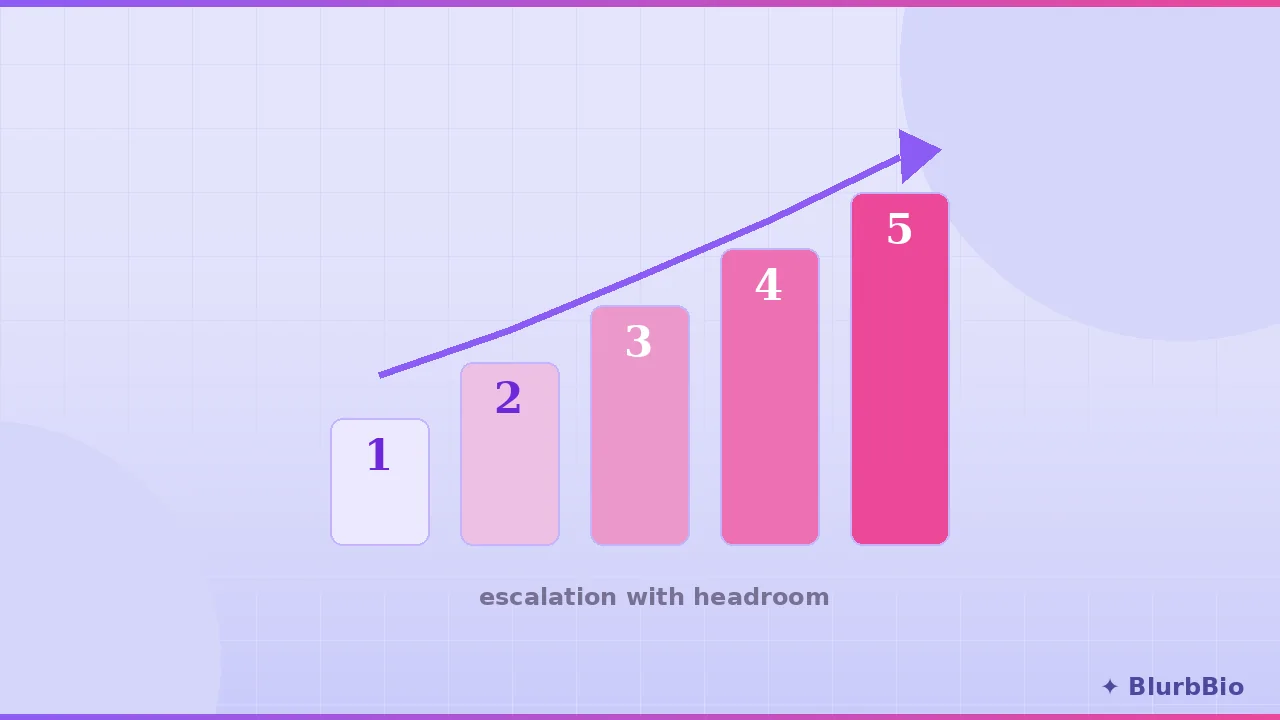
What separates a subplot from a parallel story is that the threads change each other's state. An intersection is any point where the subplot alters the main plot's situation: it provides a resource (the guild contact from the B-story knows the villain's banker), removes an option (the affair means the alibi cannot be used), reveals information, forces a choice between threads (the case breaks the night of the brother's crisis), or raises the price of the A-story's pursuit. The minimum viable braid gives each subplot three engineered intersections, an early entanglement that hooks the threads together, a midpoint complication where the subplot makes the main plot harder, and a payoff that feeds the climax or its cost. Forced choices are the strongest of the family, because they convert structure into characterization: what the protagonist sacrifices when threads collide is the arc, dramatized.
Intersections are also where continuity risk concentrates: they depend on precise cross-thread state, who has learned what, as of which chapter, on which day, and a subplot revised in isolation quietly breaks its intersections. This is thread-level story bible work, and it is exactly the class of error that survives selective rereading.
Landing the threads
Ending a braided book is an ordering problem. The default that works: resolve outward-in, before the climax, the subplot most distant from the A-story lands first, and each resolution clears attention for the main event, so the final confrontation owns an uncluttered stage. Hold back only threads with designed climax roles (the ally whose subplot delivers them to the tower at the crucial moment, a payoff that must be planted like any other) and one or two small warm threads for the denouement, where they let the reader down gently. The failure mode to avoid is the reverse order: a climax fighting for room among unresolved B-stories, followed by chapters of residual resolutions that each read as a smaller, sadder ending.
The cut test
In revision, every thread faces the same audit. Which of the four jobs is it doing, named, not vibed? Where are its three intersections, by chapter number? Has it gone more than three chapters dark anywhere? Does it have an arc, want, obstacle, turn, resolution, or is it recurring texture wearing a subplot's clothes? And the final question, asked with the door closed: if this thread vanished, would the main story change? If the honest answer is no, the pages it occupies belong to a thread that would.
Subplots are the difference between a plot and a world. Braid them on schedule, wire them into the main story's state, land them in order, and the secondary stories stop leaking pages and start doing what they are for: making the novel feel bigger on the inside.
Name that job
Three subplots from published-style novels. Name the job each is doing.
BlurbBio's conflict and pattern analyses, with entity tracking, follow characters and threads across the chapters of a full manuscript, imported drafts included.
See also: How to Fix Pacing in a Novel · How to Outline a Novel · How to Write a Character Arc · Foreshadowing: Plants and Payoffs