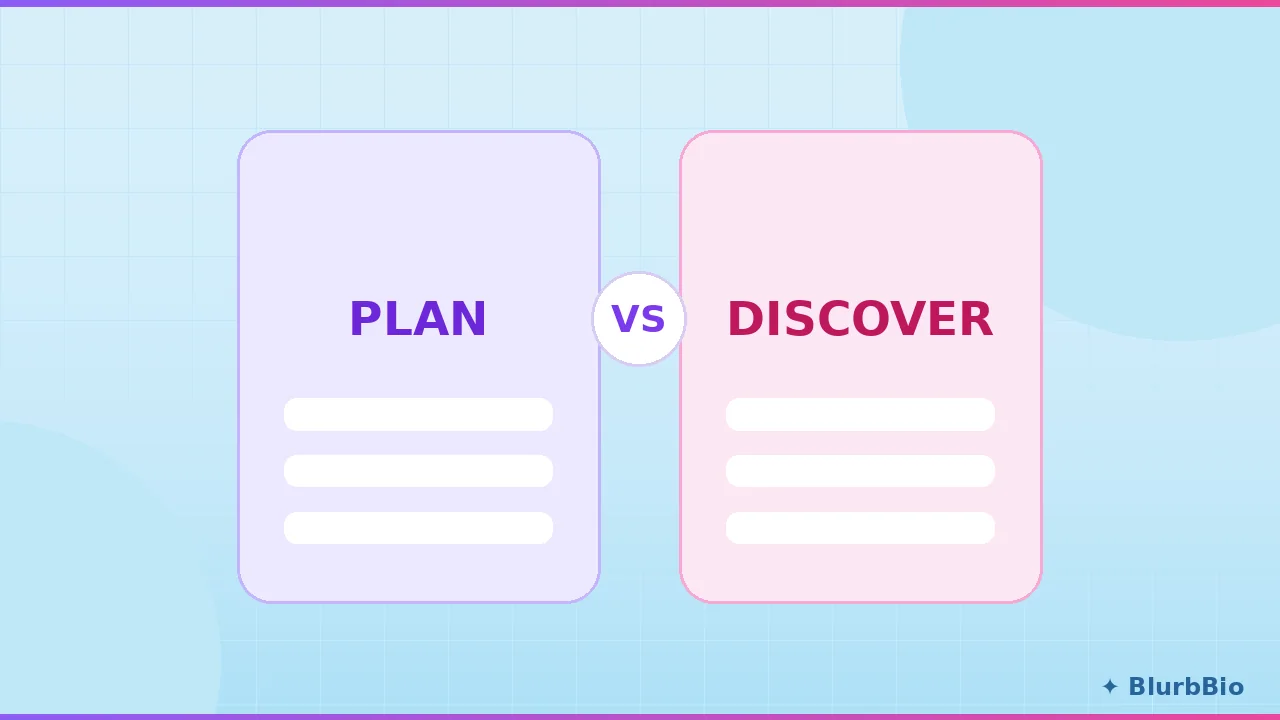
No debate in writing craft has run longer or resolved less. George R. R. Martin gave it its most famous framing, architects versus gardeners; forums shorten it to plotter versus pantser; every writing conference reliably fields a panel on it. And after all these decades, the score is instructive: both camps keep producing masterpieces, and both camps keep producing a signature kind of wreckage.
That stalemate is the tell. When two opposed methods work brilliantly and fail predictably, the axis between them is probably the wrong axis. It is worth walking the honest case for each side, and the failure that stalks it, before naming the option that changes the question.
The case for plotting, and its collapse
Plotters plan events before drafting: outlines, beat sheets, structural frameworks with named landmarks. The honest strengths are real. Structural problems get caught when they cost a notecard instead of a rewrite. The middle, fiction's most dangerous territory, is mapped before entry. Drafting accelerates because each session begins with a known destination. Foreshadowing can be laid deliberately, since the ending exists before page one.
The signature collapse is the hollow outline: a book whose events execute flawlessly and land on no one. It happens because event-first planning quietly treats the protagonist as a variable, someone to be cast later into a story that already exists. The beats arrive on schedule; the midpoint reverses; and readers report, in that damning phrase, that they never connected with the character. Nothing in an event outline requires the events to matter to the specific person they happen to, and what a method does not require, deadlines will delete.
The case for pantsing, and its collapse
Pantsers discover the book by drafting it, and the strengths are just as real. Prose written at the edge of the writer's own knowledge carries an aliveness that executed outlines struggle to match; the twist that surprises the writer tends to surprise the reader; characters develop the autonomy that makes them feel found rather than manufactured. For many writers, not knowing is the fuel: the draft is the only way to find out, so the draft gets written.
The collapse is the dead middle, and every discovery writer knows its exact texture: the opening hundred pages arrive electric, and somewhere past them the momentum simply stops, because the premise's fuel is spent and nothing in the accumulated material dictates what must happen next. The drawer of abandoned hundred-page beginnings is this failure's monument. Its second form is quieter and costs more: the discovered draft that does reach the end and then requires archaeology-scale revision, because cause and effect were improvised in opposite directions across four hundred pages.
The wrong axis
Put the two collapses side by side and the pattern surfaces. The plotter's outline fails when it contains events but no psychology. The pantser's draft fails when it contains psychology but no causation. Each method's wreckage is precisely the other method's raw strength, which is why every hybrid compromise, plan a little, discover a little, helps a little.
But the standard hybrid still accepts the debate's framing: that planning is a quantity, and the only question is how much. The more interesting move is to change what gets planned first.
The third way: blueprint the person, then the chain
Character-first blueprinting, given its fullest form in Lisa Cron's Story Genius, plans in a different order. First the psychology, completely: the protagonist's specific desire, the misbelief blocking it, and the private backstory scenes that show where that misbelief was learned. Then the filter: plot ideas are admitted only if they force that internal conflict and carry real emotional cost. Then the chain: scenes planned as dual-track cards, each recording both the external event and its internal cost, each linked to the next by explicit cause and effect. Structure arrives last, and demoted: genre beat expectations become a cross-check to map the finished chain against, useful for spotting a missing confrontation or a sagging stretch, never the generator of the scenes themselves.
Notice what this order does to both classic collapses. The hollow outline becomes impossible by construction: no scene enters the plan without a stated reason it matters to this person, so the events cannot outrun their meaning. The dead middle loses its cause: the chain's whole grammar is and so, each scene forcing the next, which means there is always something that must happen, discovered or planned. And the pantser's real objection to outlining, that knowing the events kills them, is quietly sidestepped: the blueprint fixes the psychology and the causation, not the events, leaving the largest possible territory open for discovery while guaranteeing that whatever is discovered will land on a person built to be broken by it.
The old debate asked how much to plan. The better question was always what to plan first: the events, or the person the events are for. Answer that one, and the spectrum collapses into a sequence, and the argument, finally, into a method.