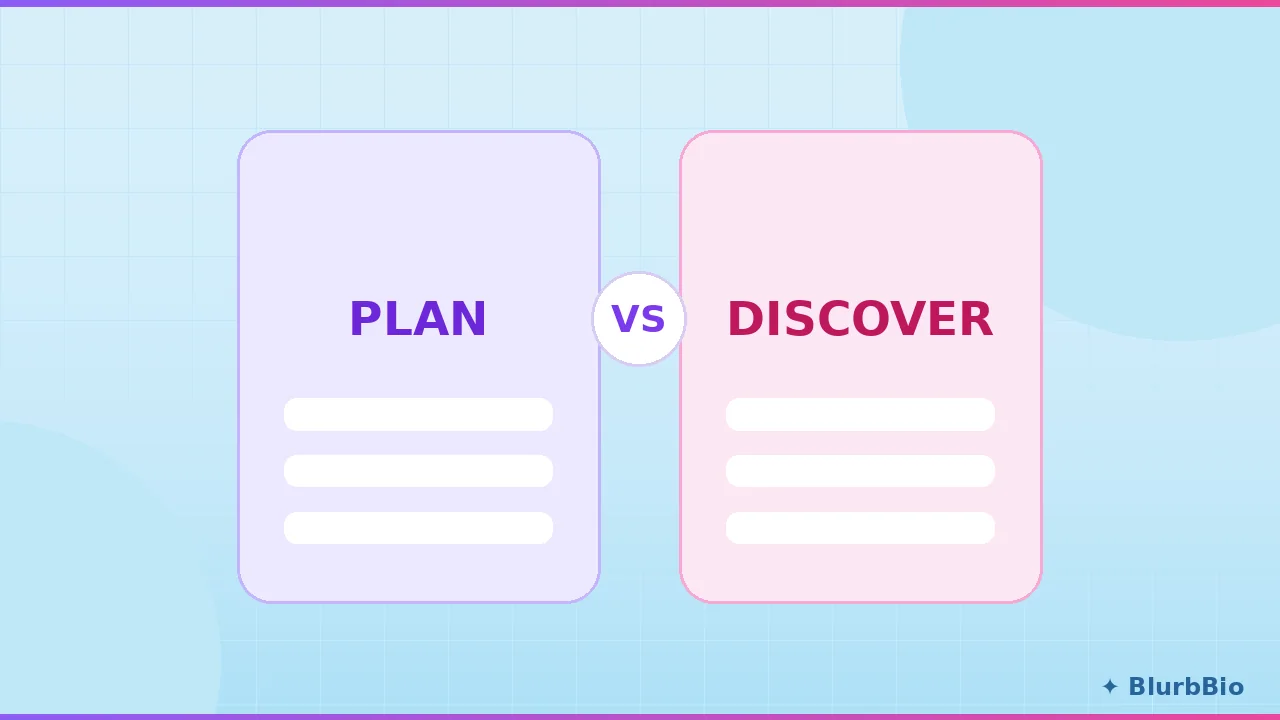
The debate between plotting and pantsing misses the actual question. The question is not whether to outline, it's what kind of structural clarity you need before you can write efficiently, and how to get it without over-engineering a story that wants to be discovered.
Stephen King doesn't outline. He says situations interest him more than plots, and that plotting produces mechanical fiction. John Grisham outlines exhaustively, his legal thrillers require factual precision and legal logic that improvisation can't sustain. Nora Roberts plots her romance arcs before writing. Kazuo Ishiguro writes exploratory drafts that function as extended outlines for the final version. All four are successful novelists. None of them use the same method.
The 2024 Reedsy survey of 1,007 authors found that 61% use some form of outline, but the definition of "outline" in that survey ranged from a single paragraph of notes to a 50-page scene-by-scene breakdown. The meaningful question isn't outline vs. no outline. It's how much structure does your process need, and which tool provides it.
The Three-Act Structure: The Foundation Everything Else Builds On
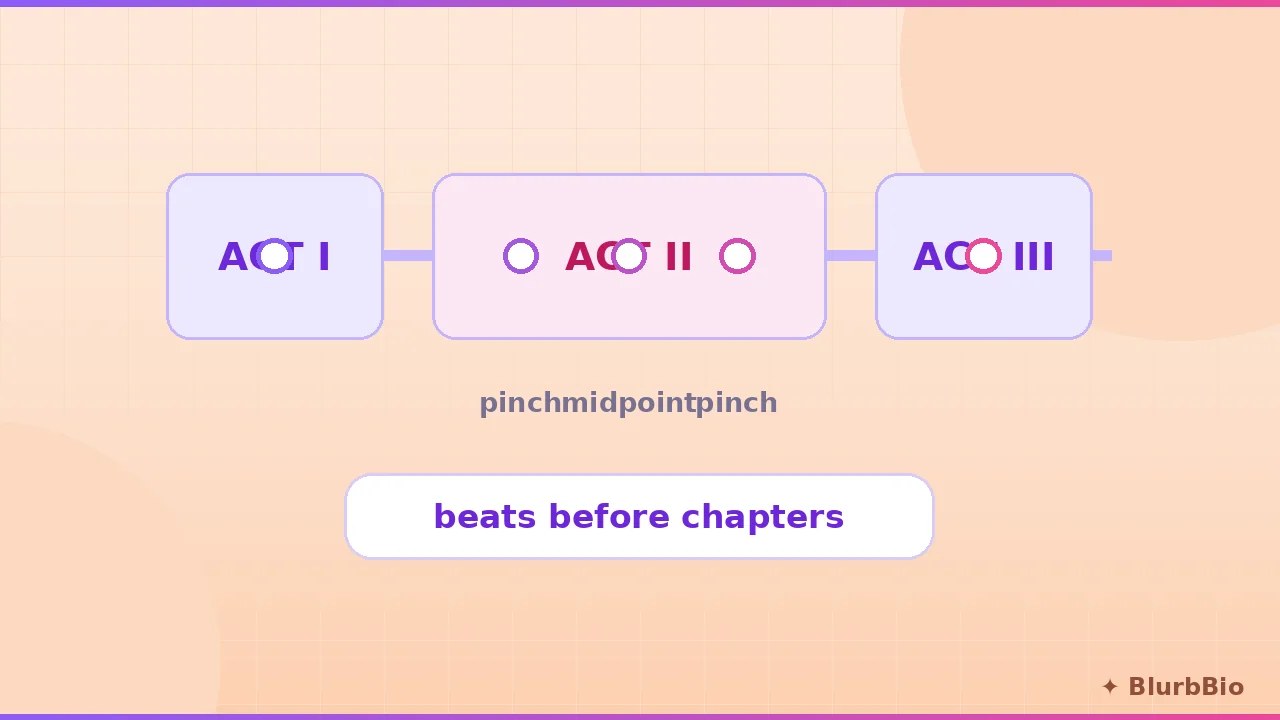
Before any specific method, there is the Three-Act Structure. It predates screenwriting, predates the novel form, predates most of the story frameworks that reference it. Aristotle described it in Poetics. It is not a formula, it is an observation about how human cognition processes narrative.
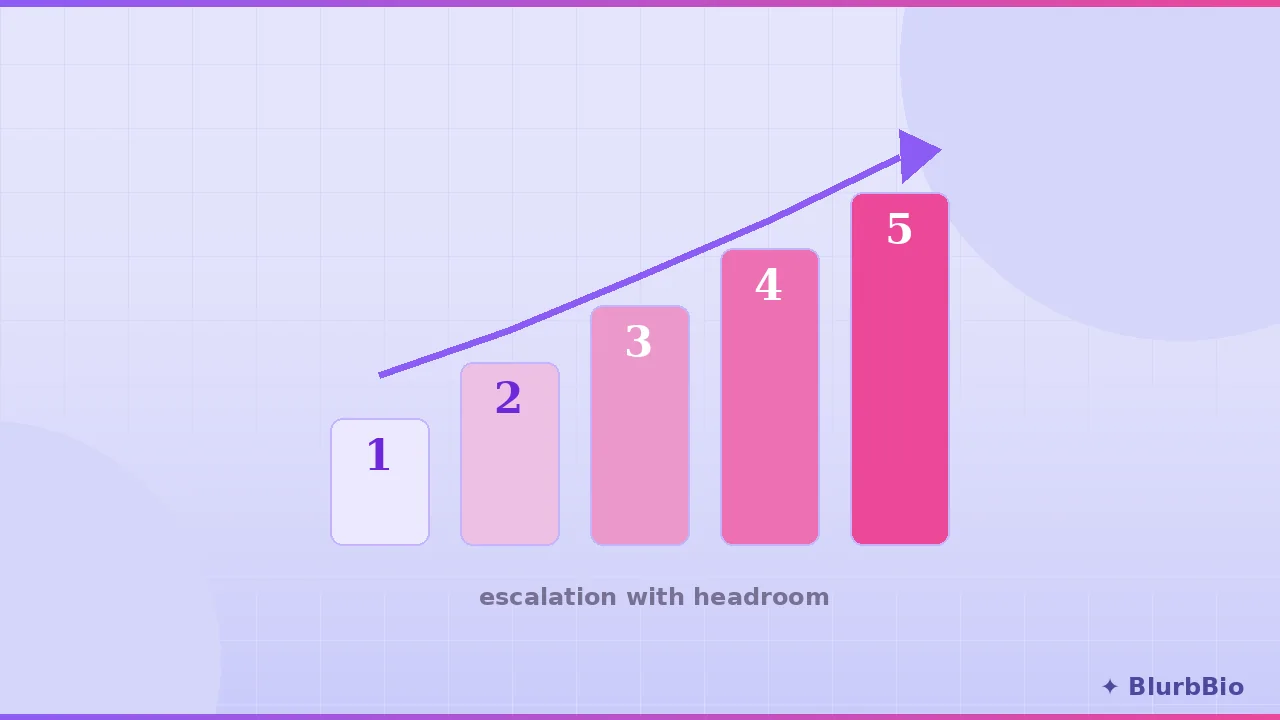
Stories need a beginning that establishes a world and disrupts it, a middle that escalates the consequences of that disruption and forces transformation, and an end that resolves the central tension through what the protagonist has become. That's not a constraint. It's a description of how stories that satisfy readers actually work.
The four load-bearing turning points:
Inciting Incident (≈10%), The event that makes the story necessary. Not the first scene, the event that forces the protagonist into the central conflict. Frodo receiving the Ring in Fellowship. Katniss volunteering in The Hunger Games. Scout watching Atticus defend Tom Robinson for the first time. The story exists because this event made it impossible for the protagonist to stay the same.
Midpoint (≈50%), The most misunderstood beat in fiction. The midpoint is not the middle of the story in a temporal sense. It's the moment when the protagonist's goal shifts, usually from external to internal, or from reactive to active. The false peak (The Dark Knight when the Joker is caught) or the false collapse (Pride and Prejudice when Darcy's letter reveals the truth about Wickham). After the midpoint, the story is no longer the same story it was before.
All Is Lost (≈75%), The protagonist's lowest moment. What they wanted at the start is gone. The approach they've relied on has failed. Snyder calls it the "whiff of death", something must die here, literally or metaphorically, so that something new can be born. Authors frequently underwrite this beat, rushing past it to the resolution. The longer the reader sits in the All Is Lost, the more earned the climax will feel.
Climax (≈90%), The protagonist confronts the central antagonist or conflict using the understanding they've gained throughout the story. What makes a climax work is not the action but the internal transformation that makes the action possible. The protagonist who couldn't cross this threshold in Act One now can, because they've changed.
If you know nothing else about outlining, know these four beats and where they land. Everything else is filling in the connective tissue.
Save the Cat: The Beat Sheet for Commercial Fiction
Blake Snyder's Save the Cat! was written for screenwriters. Jessica Brody's adaptation Save the Cat! Writes a Novel translated the 15-beat framework for prose. It has become the most widely used structural method among commercial fiction authors in the last decade, and the most argued over.
Where Save the Cat excels: Commercial fiction, thrillers, romance, fantasy, YA, mystery. Any story where plot mechanics and pacing matter most. The beat sheet is a precise diagnostic: if your Act Two feels like a swamp, map what you have against these beats and the missing structure becomes immediately visible.
Where it breaks down: Literary fiction, quiet character studies, non-linear narratives. Forcing a Kazuo Ishiguro novel into a beat sheet is an exercise in category error. The beats exist in The Remains of the Day, but they're not driving the experience of reading it.
The Snowflake Method: Architecture Before Construction
Randy Ingermanson's Snowflake Method is the most systematically pre-production-heavy approach in common use. It starts with a single sentence and expands iteratively until you have a complete blueprint:
Step 1: One-sentence summary (15-25 words). The whole story, including the ending.
Step 2: One-paragraph expansion, three acts, three disasters, one resolution.
Step 3: Character sheets for each major character, motivation, goal, conflict, epiphany.
Step 4: Expand the one-paragraph summary to a full page.
Step 5-10: Progressively expand scene lists, character arcs, and chapter breakdowns.
The method's logic is sound: the thinking you delay until drafting will still need to happen eventually. Doing it before you have 60,000 words invested is more efficient.
The weakness: Some writers complete the Snowflake work and find they've lost the desire to write the book. The story feels told. This is not a universal problem, for engineers, architects, and systematic thinkers, the Snowflake produces extraordinary first drafts. For writers who need discovery to stay engaged, it can feel like planning a party so thoroughly you don't want to attend it.
Character-First Outlining: The Inner Wound and Misbelief
One of the most useful structural insights from K.M. Weiland and others in the character-driven school: plot should emerge from character psychology, not the other way around.
The framework is simple:
Every protagonist carries a wound, a formative experience that damaged their understanding of the world. From that wound they developed a misbelief, something they believe about themselves or the world that is false but feels true. The plot forces them to confront the misbelief. The climax is the moment they either embrace the truth or double down on the lie.
In Pride and Prejudice, Elizabeth Bennet's wound is growing up in a family where intelligence was not valued by the people around her. Her misbelief is that she can read people accurately through observation alone, without bias. The plot systematically dismantles this belief through her misjudgment of Wickham and Darcy. The letter is the climax of her internal arc, the moment she recognizes her own prejudice.
How to use this for outlining: Write the wound and misbelief before you write anything else. Then ask: what external events would force this character to confront this specific misbelief? The answers are your plot. This is why plotting character-first produces more emotionally resonant stories than plotting event-first, the events are selected for their thematic relevance to the character's internal journey.
The System That Works: A Hybrid Approach
Most working authors, including many who identify as pantsers, use something like this:
Phase 1: The Four Anchors. Identify your Inciting Incident, Midpoint, All Is Lost, and Climax. You don't need to know exactly how you'll get there. You need to know where you're going.
Phase 2: The Character Foundation. Name the protagonist's wound and misbelief. Name what they want (external goal) and what they need (internal truth). These two often conflict, the engine of the story is that conflict.
Phase 3: The Ten Scene Cards. Identify the ten scenes you can already see clearly. For each, answer: what changes between the beginning and end of this scene? Character belief, relationship dynamic, plot information, or physical situation must shift. A scene where nothing changes isn't a scene.
Phase 4: Write into the gaps. You now have anchors, character psychology, and ten scenes. Write toward the first anchor. Discover as you go. When you arrive at a scene you've already planned, you'll find the road there was better than you expected.
This approach gives pantsers enough structure to sustain a 90,000-word draft without losing the discovery that keeps them engaged. It gives plotters the freedom to deviate without losing the map.
The Reverse Outline: A Pantser's Structural Tool
If you're a discovery writer who has a complete draft and suspects it has structural problems, the reverse outline is your diagnostic.
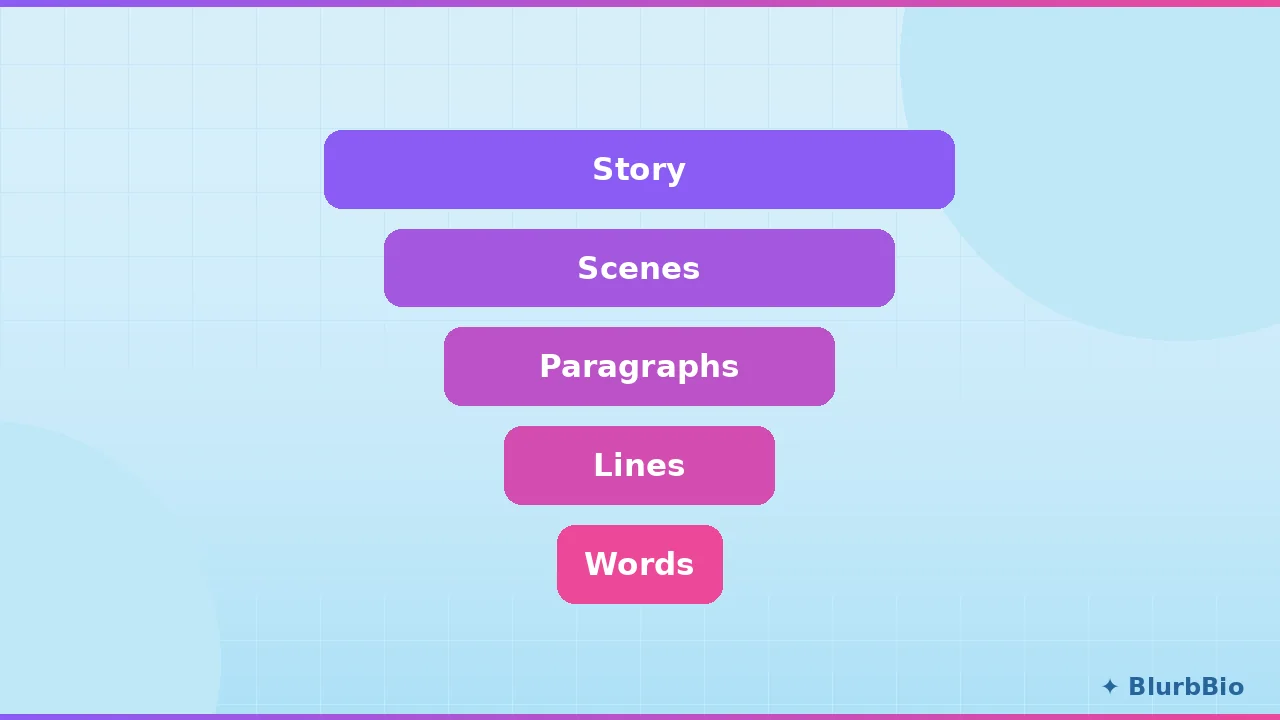
How it works: Read your draft and, for each scene, write one sentence describing what changes in that scene. Don't summarize what happens, identify the change. Character belief, relationship, knowledge, situation. If you can't identify a change, mark that scene for review.
Once you have your reverse outline, map it against the Three-Act framework. Where does your Inciting Incident land? Is it at 10% or 35%? Where is your Midpoint? If it's at 40% or 65% instead of 50%, your pacing will feel off and the fix is usually surgical rather than wholesale.
The reverse outline also reveals scene stacking, consecutive scenes that each make only one small incremental move when they could be combined into a single scene that makes the full leap. Most overlong manuscripts contain 20-30% of scenes that are doing work that could be combined with adjacent scenes.
The One Thing Every Method Agrees On
Across Save the Cat, Snowflake, Three-Act, Story Grid, and every other structural framework, there is exactly one point of universal agreement: something must change.
Each scene must leave the protagonist in a different situation, with different information, or with a changed relationship than they entered it with. Each act must leave the story in a different place than it began. The protagonist at the end must be meaningfully different from the protagonist at the start.
If you remember nothing else about outlining, if you use no method, no beat sheet, no framework, remember this. Read each scene you've written and ask what changed. If the answer is nothing, that's where to start.
BlurbBio's Plot Outliner lets you build and rearrange your story structure visually, with AI assistance for beat development, scene planning, and identifying structural gaps before you write a single chapter. Your outline and your manuscript live in the same workspace, which is the core difference from planning-only tools like Plottr. For the full platform picture, see the novel writing software guide.
See also: How to Build a Story Bible · The 7 Types of Plot Holes (And How to Fix Every One) · How to Write a Novel: The Complete Guide