The modern fiction market has voted, and it voted for series. Series structure the bestseller lists in romantasy and fantasy, power the binge economics of Kindle Unlimited, and remain the core strategic advice of every indie publishing analysis: predictable reader experience, compounding backlist sales, a brand readers can commit to. Every new release re-advertises every previous one.
The same market is merciless to improvised series. Readers binge ten books in a fortnight and arrive at your book three with book one fresher in their memory than in yours; every contradiction, capped-out escalation, and forgotten promise is caught, reviewed, and screenshotted. Series planning is the discipline of earning the compounding without triggering the collapse. It has five parts.
Choose the architecture first
Everything downstream, planning load, marketing, entry points, depends on which of four shapes you are building.
| Architecture | Shape | Planning load | Natural genres |
|---|---|---|---|
| Serial | One continuous story, sliced | Highest: the whole arc, up front | Epic fantasy, romantasy meta-arcs |
| Episodic | Complete stories, stable engine | Lowest per book, engine design up front | Mystery, urban fantasy, cozy |
| Arc-per-book | Complete stories plus a building meta-plot | High: two layers per book | Most commercial fantasy and romance series |
| Shared world | Standalone books, common setting | World-level only | Romance towns, space operas, anthologies |
Serial is one long novel published in volumes: maximal payoff density, maximal fragility, since a mid-series misstep damages one continuous structure, and no entry point but book one. Episodic runs on an engine, detective plus city, monster-of-the-book, and lives or dies on that engine's renewability rather than on meta-plot. Arc-per-book is the commercial center: each installment resolves its own question while a series-level plot ratchets forward, the architecture of most current fantasy and romantasy hits, and of the stacked character arcs described in our character arc guide. Shared world trades continuity load for connection: each book stands alone, the setting and cameo web do the branding, the dominant shape of small-town romance ecosystems.
Choose consciously, because the architectures fail differently: serials fail by sagging middles at series scale, episodics by engine exhaustion, arc-per-book by meta-plots that stall while episodes spin, shared worlds by connections so loose the series stops mattering.
Design the engine
Before plotting any individual book, name the series engine: the renewable conflict source that generates story indefinitely. A detective in a corrupt city is an engine. A war between two courts is an engine with a fuel gauge, it ends, and the series ends or refuels. A single mystery ("who killed her sister") is not an engine; it is one book's plot wearing a series' clothing, and stretching it across five volumes is how series earn the dreaded this should have been a trilogy.
The engine test: write ten one-sentence premises the engine could generate. If they come easily and differ meaningfully, the engine renews. If numbers six through ten are the same premise in hats, you have a duology's worth of fuel, which is fine, plan a duology.
Budget the escalation
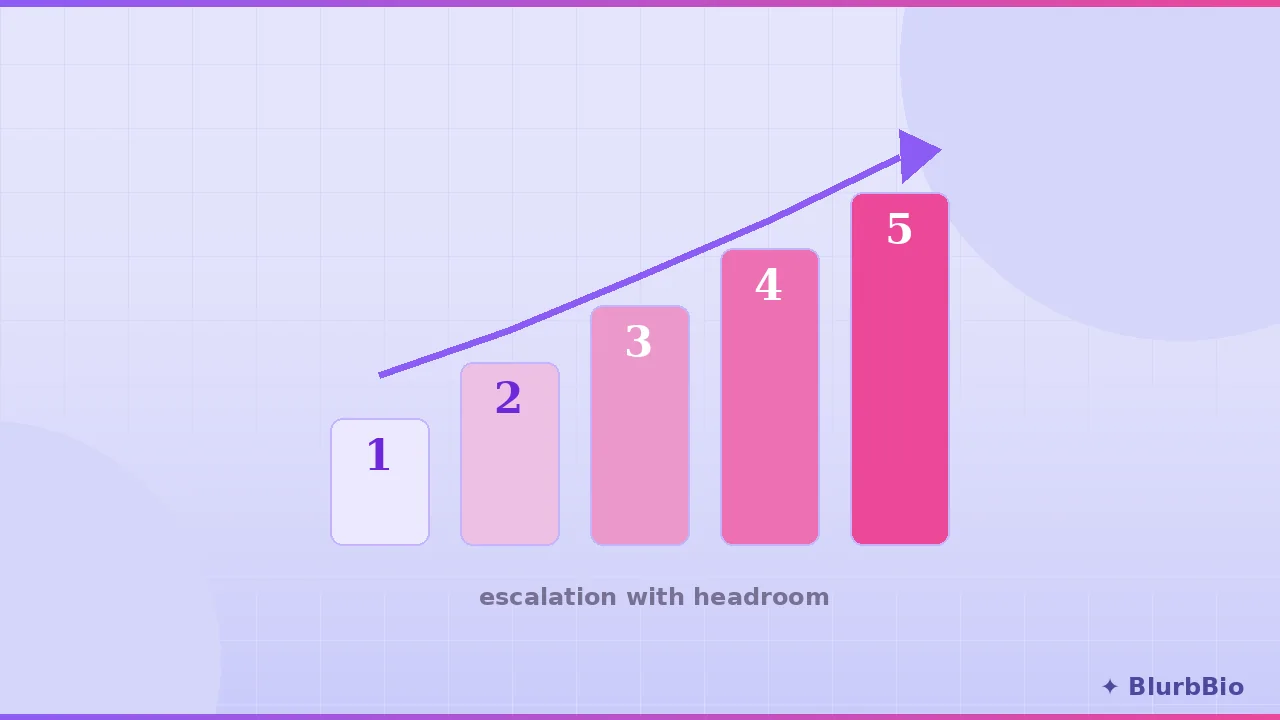
Escalation is a finite currency, and spending it all in book one is the most common structural death of series. If the debut ends with the world saved, book two inherits an impossible act: bigger threat (inflation the reader feels), or the same threat again (deflation the reader resents).
Two disciplines keep the curve alive. Leave headroom deliberately: book one's threat should be the visible edge of something larger, resolved locally while implying scale, the cell, not the conspiracy; the border skirmish, not the war. Escalate on multiple axes: threat size is only one dial. Personal cost, moral complexity, intimacy of the danger (the enemy outside becomes the traitor inside), scope of consequence, and knowledge (each book reframing what the reader thought earlier books meant) all escalate independently, and the strongest long series rotate which dial each book turns, sometimes shrinking the external threat while the internal stakes climb past it.
Seed payoffs you have not written
Series magic, the book-five revelation that recolors book one, requires planting in books written years earlier, which means managing three tiers of foreknowledge. Fixed landmarks: the two or three series-defining events (the true parentage, the mentor's fall, the endgame's shape) you commit to early and seed deliberately, using the planting techniques from our foreshadowing guide at series scale. Flexible corridors: threads planted with several possible payoffs, ambiguous prophecies, unexplained artifacts, an unopened door, which later books can cash in whichever way the story has grown. Open inventory: a maintained list of every dangling element, because a series accumulates unfired guns at a terrifying rate, and the difference between a rich mythology and a pile of dropped threads is whether anyone kept the list.
That inventory is one table of a larger structure: the series bible. By book three a typical series has generated over 300,000 words of checkable canon, names, dates, distances, magic rules, who knows what, who owes whom, and the reader arriving from a two-week binge holds all of it in working memory. Set the system up before book one; our series consistency guide covers running it, and the story bible template covers its anatomy. Bibles built retroactively from published books are archaeology performed on your own errors.
Write the flexible corridors into the bible with their candidate payoffs listed. Future-you, drafting book four at midnight two years from now, should be able to look up not just what the silver key is, but what it is allowed to become without contradicting anything in print.
Book one carries the contract
Series promise management concentrates brutally in the first book. Book one sets the scope (its canvas implies the series' canvas), the tone and heat (sequels that swing darker or steamier than the promise generate the not-what-I-signed-up-for reviews), the engine (readers subscribe to the machine book one demonstrates), and the entry policy, standalone-friendly or strictly sequential, which your packaging must then tell the truth about. It also carries a structural double duty: a complete, satisfying arc of its own (unresolved book ones sell trilogies to publishers and one-star reviews to readers) plus the open door. The clean pattern: answer the book's question fully, and let the answer reveal the series' question.
Plan the spine, budget the escalation, keep the ledger, and a series stops being a high-wire act performed over your own backlist and becomes what the market keeps proving it can be: the strongest compounding asset an author owns.
Series-readiness check
Before drafting book one of a series, you should be able to check every box. Try it against your current plan.
See also: How to Keep a Book Series Consistent · How to Build a Story Bible · How to Outline a Novel · Foreshadowing: Plants and Payoffs