Every author eventually hits the wall of their own perspective: you cannot measure suspense you already know the answer to, or spot the confusing timeline you personally lived in for a year. Beta readers exist to solve exactly this, and they solve it badly by default, because the default process, hand a PDF to whoever volunteers and ask for thoughts, is designed to produce vague praise and vanished readers.
Run it as a system instead. The system has five parts: timing, recruitment, briefing, questions, and synthesis.
When: the second-draft window
Beta readers read complete drafts you have already revised yourself, after your own structural and scene passes (the five-pass self-edit covers the sequence) and before any professional edit. Too early wastes their goodwill on problems you already know about and can only spend once, because a beta reader's first read is a nonrenewable resource: nobody reads your book for the first time twice. Too late, after the professional edit or during proofing, and their structural findings arrive when structural change is most expensive. The second draft is the window: clean enough to read as a book, early enough that their findings can still move furniture.
Who: genre readers, three to five of them
The single most important filter is genre fluency: your beta readers must read your genre for pleasure, because reader expectations are the thing being measured, and a thriller reader beta-reading your slow-burn romantasy will confidently report pacing problems in a book that is pacing correctly for its shelf. Recruit from where genre readers already gather: dedicated communities like r/BetaReaders, genre Discords and forums, critique-group writers who read your lane, Goodreads and Facebook genre groups, and your own audience if you have one.
Three to five finishers is the target, which usually means recruiting five to eight, because attrition is universal and not personal. Below three, you cannot tell taste from signal; far above five, feedback contradicts faster than it converges. And diversify within the genre constraint: one voracious binge-reader, one careful reader, one fellow writer gives you three different instruments rather than the same reading three times.
The brief: scope, deadline, format
Vanished beta readers are almost always a briefing failure. The brief that prevents it has four parts: what stage the draft is in and what kind of feedback you want (experience, not typos); a realistic deadline, three to five weeks for a novel, with a friendly midpoint check-in; the format (a questionnaire, inline comments, or both); and the content warnings and heat level, so nobody discovers a mismatch in chapter twelve. Send the manuscript in the format they actually read in, EPUB for the phone readers, not just a DOCX, and make quitting safe: a reader who tells you where they stopped and why has given you one of the most valuable data points in the whole exercise.
The questions: measure reactions, never solutions
Beta readers are measurement instruments for reader experience. The moment you ask them to diagnose or prescribe, you are asking amateurs to do an editor's job, and worse, you contaminate the reading: a reader hunting for problems stops reading like a reader. So every question targets experience:
Question five is the secret weapon: what a reader predicts at the midpoint tells you exactly what your setup is actually promising, which is frequently not what you meant to promise.
Synthesis: symptoms converge, prescriptions don't
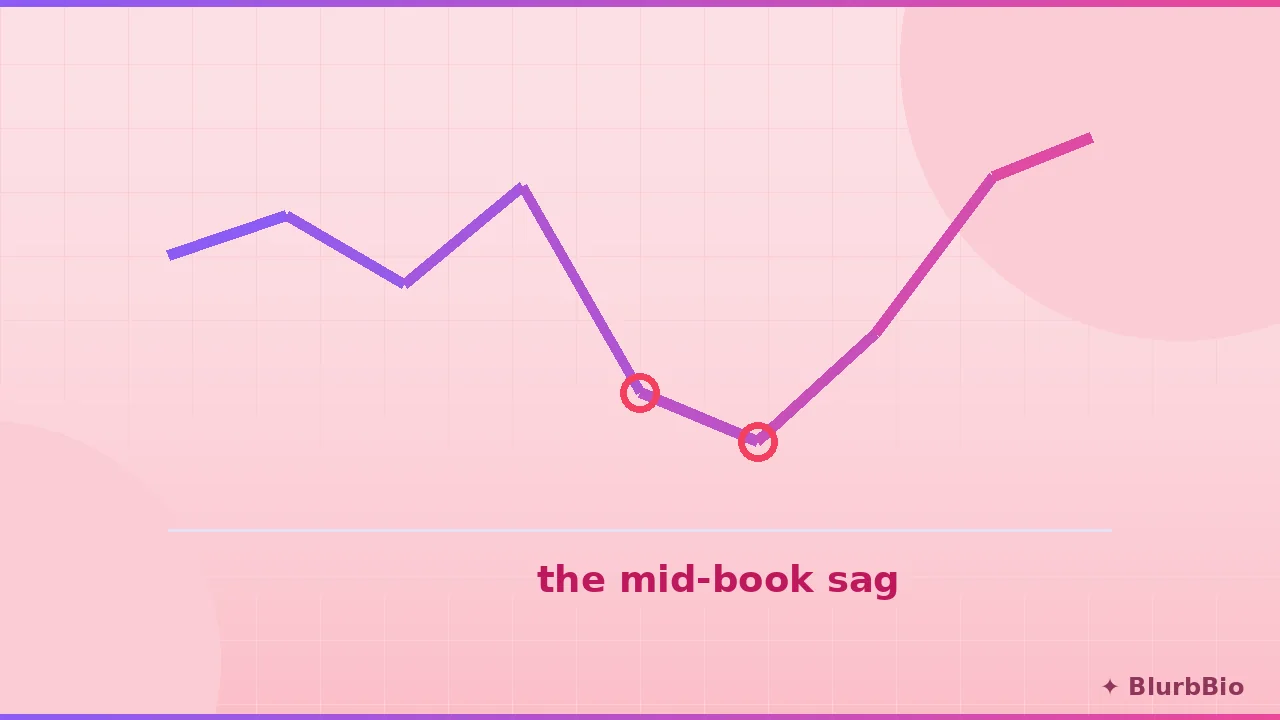
Then the feedback arrives, contradicting itself, and the classic rule earns its reputation: readers are almost always right about what is wrong and almost always wrong about how to fix it. Discard the prescriptions, keep the symptoms, and look for convergence: three readers who lost momentum in chapters 15 through 20 have found you a structural problem, even if one blames a character, one blames the subplot, and one just says it got slow. Isolated notes are taste unless they come from your most genre-fluent reader; convergent notes are the revision plan. Translate every accepted symptom into your own diagnosis before changing a word, because the fix must come from the person who can see the whole machine, and that is you.
Two boundary clarifications keep the process clean. Beta reading is not sensitivity reading: if your manuscript portrays identities or experiences outside your own, a sensitivity reader is a distinct, usually paid, expert engagement with its own brief, and hoping a beta reader incidentally covers it is unfair to both roles. And beta reading runs on reciprocity: in writer communities the standing currency is the exchanged read, so offer yours, deliver it with the same questionnaire discipline you want back, and you will find your next round of readers already recruited. If a second round is warranted after major revision, recruit fresh eyes rather than re-running the same readers, because your first readers now know the answers and can no longer measure suspense, exactly the blindness you hired them to escape.
One last sequencing note that saves goodwill: the mechanical findings, continuity errors, timeline breaks, pacing dead zones, are detectable before humans read at all, by systematic self-editing and by automated analysis, and every one you fix in advance buys your beta readers' limited attention back for the things only a human can tell you: whether they cared.
See also: How to Self-Edit Your Novel · What Is Developmental Editing? · How to Fix Pacing in Your Novel · How to Write a Novel: The Complete Guide